Spoiling an American Treasure
The Apalachicola River is Florida’s largest river by volume, an unparalleled biodiversity hotspot, and the economic driver of our region. The Apalachicola River Basin shelters more than 1,500 species of native plants and animals, some found nowhere else on earth. The river and bay together are responsible for countless jobs in fisheries, ecotourism, aquaculture, and other fields. Everything comes back to our river. The honey, the oysters, the fish, the forest—they all depend on the same thing: the river's water reaching its nutrient-rich floodplain, and the floodplain feeding the bay. That connection is what makes the Apalachicola one of the most productive river systems in North America. It's also exactly what dredging broke.
Footage by Jonah Parker-Hanson
Footage by Jonah Parker-Hanson
Our river. Our bay. Our living.
From the early 1960s to 2001, the U.S. Army Corps of Engineers tried and failed to maintain a barge channel up the Apalachicola—100 feet wide, 9 feet deep—by repeatedly dredging the entire 107 river.The Corp’s own Assistant Secretary admitted the project “not economically justified or environmentally defensible.” The channel was impossible to maintain, barge traffic never came, and the whole thing was an environmental nightmare.
“Sand Mountain” is the plainest example of this. 1 million cubic yards in size (that’s more than 300 Olympic swimming pools), the giant sand heap is not just an eye-sore, but a hydrological catastrophe. When the Corps dredged, it didn't haul the sand out of the floodplain, it moved the sand around the river—piling it along the banks and across the mouths of sloughs (floodplain streams) like the one that used to flow where Sand Mountain now sits.
Any kid at the beach knows, sand doesn’t stay put. Rain and high water carried the eroding sand of Sand Mountain and other dredge spoil sites back into the river and further up the sloughs, clogging them even more. Water that once spilled into the floodplain now stayed trapped between the river’s banks. The swamps dried up. The tupelo died back. The bay stopped getting the nutrients it needs.
The Corps’ project never paid, and by the turn of the century, barge slowed way down. Th Corps were forced to quit when Florida’s state government denied the Corps its dredging permit, but now the Corps wants to do it all over again.
Slough Restoration
-
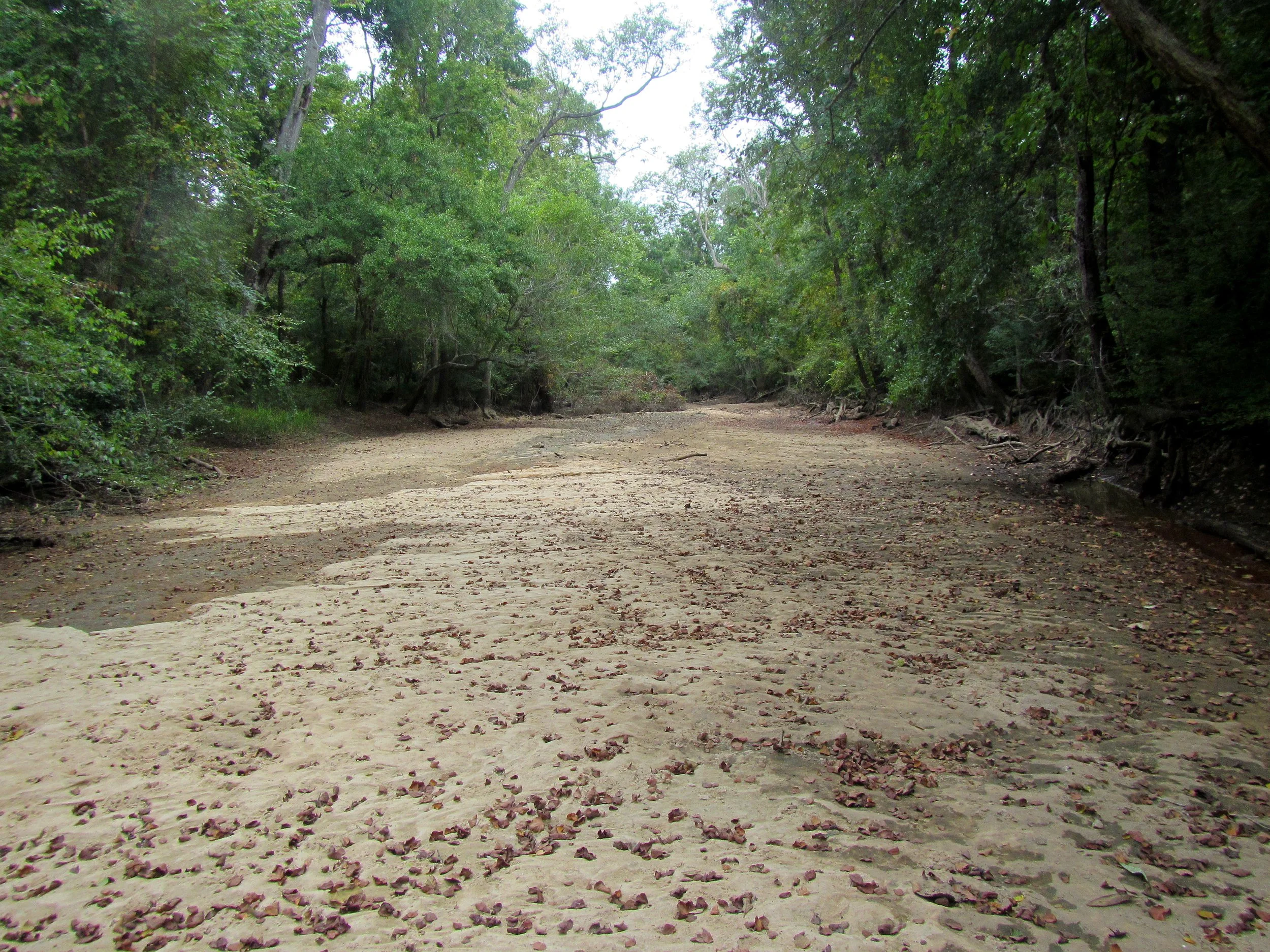
Before: A plug of dredge spoil chokes the mouth of Spiders Slough, blocking flow into the floodplain when water is already low.
-
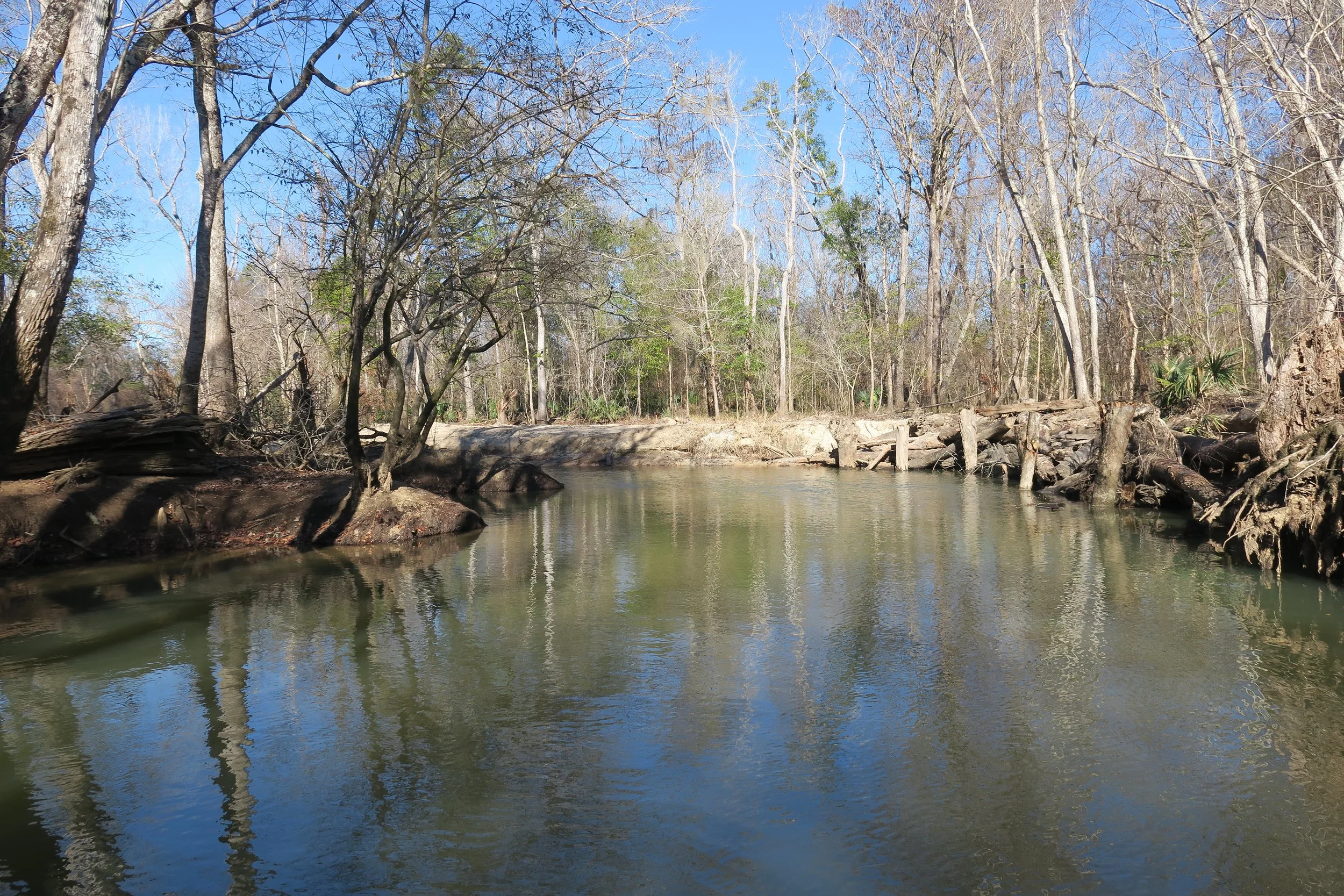
After: With the sediment removed, water moves freely into the slough again, reaching deeper into the floodplain and holding there longer through dry periods.
Fast Facts
-
Dredging the Apalachicola was the most expensive project in Army Corps History.
FDEP found the waterway ran 40 to 50 times the national average cost for such dredging projects—the most expensive maintenance operation of its kind in the country.
-
Dredging bought little more than a month.
A 2005 Apalachicola Riverkeeper analysis found the river is navigable by barges without any dredging for four to five months in a typical year. The Corps’ dredging extended the window by 30 to 45 days at most.
-
The Army Corps admitted the project completely failed.
In 2000, the Assistant Secretary of the Army for Civil Works called the project "not economically justified or environmentally defensible." Florida denied the permit in 2005 — after years of temporary permits the Corps ignored, conditioned on reopening the sloughs it had buried.
-
The sand spoils were never removed.
Sand Mountain, below Wewahitchka, destroyed a slough outright. Early attempts to remove it failed. The sand is too coarse even for beach renourishment. Almost nothing grows on it. It is still eroding into the river today, and the Army Corps refuses to clean up their mess.
-
The damage is measurable.
4.3 million fewer canopy trees in the floodplain by 2004 than in 1976. A 44% drop in Ogeechee tupelo — the tree tupelo honey comes from. State biologists documented a 75% reduction in sport fish where dredge sand covered the natural bank.
-
The floodplain feeds the bay.
Sloughs carry water, nutrients, and leaf litter out of the swamp and down to the estuary — the base of the food web that once produced 90% of Florida's oysters. Cut the sloughs and the bay starves.